🍚 Iranian vs. Indian Rice: Which One Is Right for Your Market?
When sourcing bulk rice for your market, it’s not just about price — it’s about quality, nutrition, customer satisfaction, and brand prestige. Two of the most sought-after origins — Iranian and Indian rice — offer distinct characteristics that meet different needs. Here’s a detailed comparison to help you make the right call.
🌾 Origin & Farming Practices
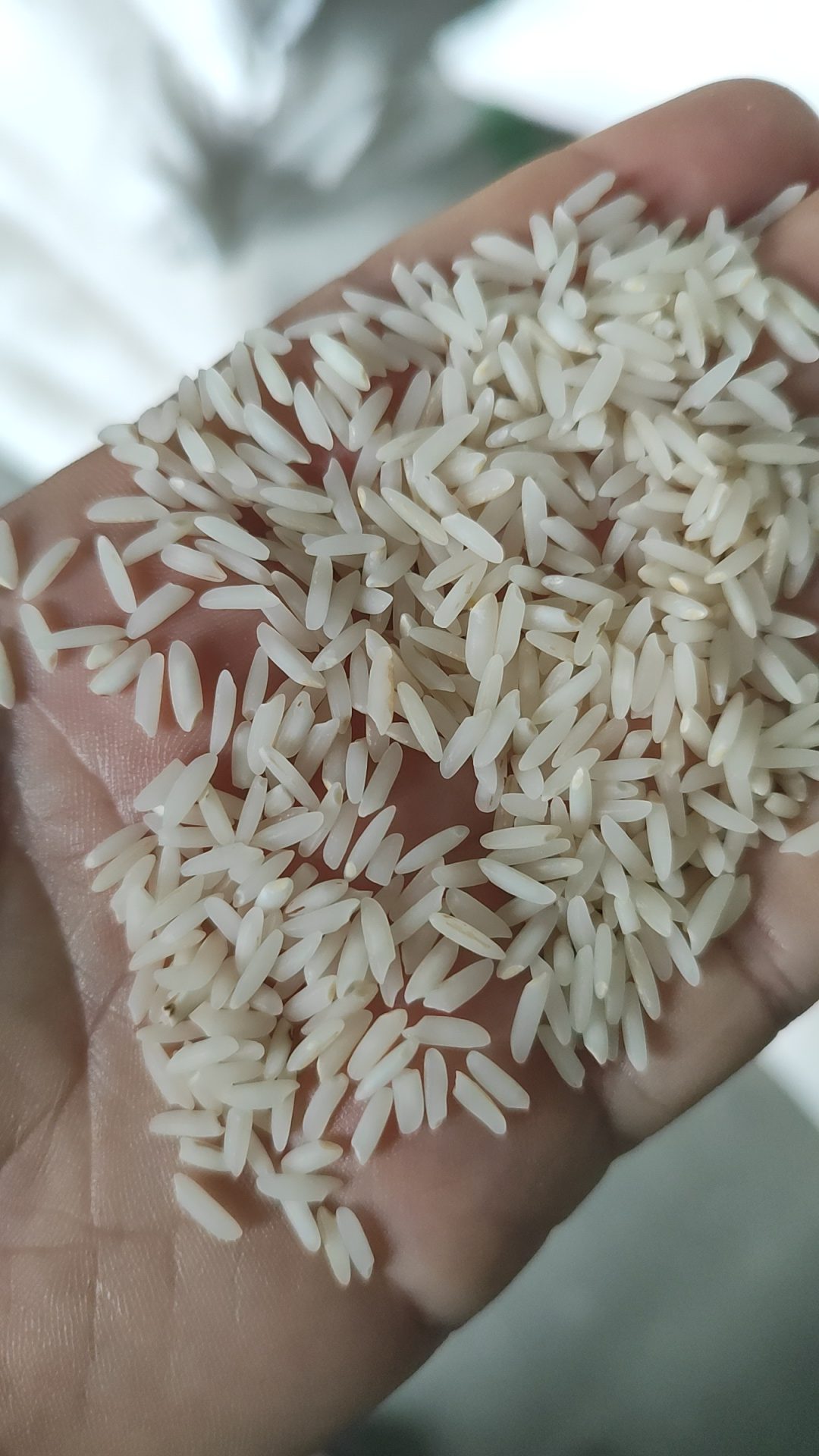
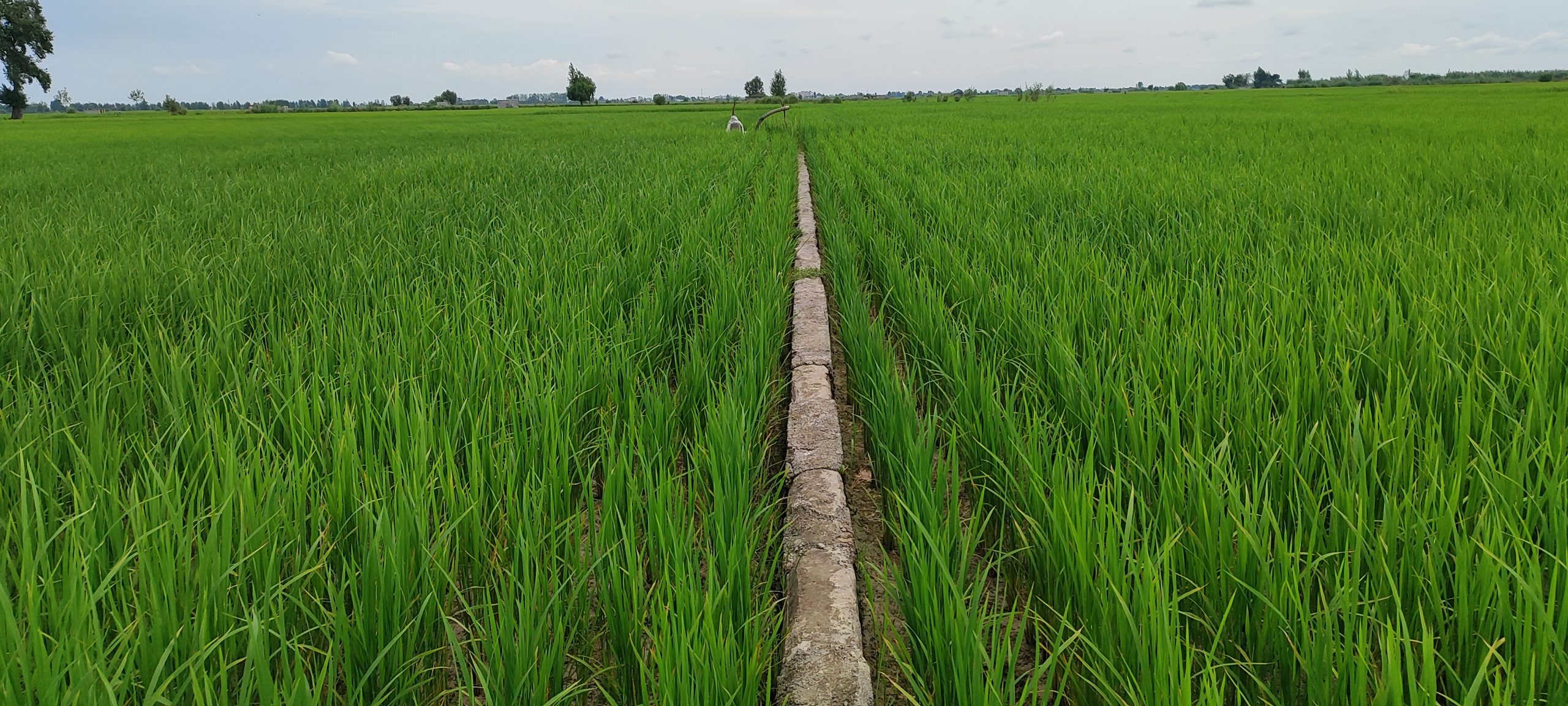
- Iranian Rice: Sourced exclusively from second-crop harvests in Mazandaran, grown using sustainable farming and modern drying. No additives or artificial polishing.
- Indian Basmati: Mass-produced in Punjab & Haryana with industrial-scale aging and processing.
👃 Aroma & Flavor
- Iranian Rice: Naturally aromatic, buttery, with a deep earthy flavor.
- Indian Basmati: Nutty and fragrant, sometimes enhanced with artificial aroma.
🍽️ Texture & Cooking Comparison
| Feature | 🇮🇷 Iranian Rice | 🇮🇳 Indian Basmati |
|---|---|---|
| Grain Type | Long, slender (not sticky) | Extra-long, elongates after cooking |
| Cooked Texture | Soft yet separate | Dry and fluffy |
| Best For | Persian cuisine, health-conscious buyers | Biryani, Pilaf, general foodservice |
🧬 Nutrition & Quality
- Iranian Rice: Rich in iron, B-vitamins, potassium. Low-processed and nutritionally dense.
- Indian Rice: May lack some micronutrients; lower-quality brands may include preservatives.
💰 Price & Market Position
| Criteria | Iranian Rice | Indian Rice |
|---|---|---|
| Price | Higher (Premium Market) | Lower to Mid-Range |
| Ideal For | Gourmet retailers, fine dining | Mass retail, fast-service |
| Supply Source | Direct from farms | Industrial supply chain |
❓ Frequently Asked Questions
1. Is Iranian rice suitable for diabetic or health-focused consumers?
Yes. Iranian second-crop rice is naturally low in fat, gluten-free, and rich in micronutrients like iron and B-vitamins. Unlike highly polished alternatives, it retains its nutritional value and is easy to digest.
2. Why is Iranian rice more expensive than Indian rice?
Because of its small-scale cultivation, seasonal harvest, nutrient-rich profile, and direct sourcing—making it a premium, exclusive product with limited global supply.
3. Is Iranian rice aged or parboiled like basmati?
No. It’s freshly harvested and dried naturally without parboiling or chemical treatments, preserving its flavor and texture.
4. Do Iranians use Indian rice domestically?
Rarely. Most Iranian households prefer local varieties such as Tarom or Hashemi for their authenticity, aroma, and flavor. Iranian rice is a symbol of culinary pride.
🎯 Which Should You Choose?
If your brand values authenticity, clean sourcing, premium presentation, and a better nutritional profile, Iranian rice is the right investment.
But for large-scale, price-sensitive markets, Indian rice remains a practical choice.
📦 Partner With Moon Rice
We deliver premium second-crop Iranian rice in bulk: vacuum-sealed, certified, and export-ready. Let’s grow together—globally.